For children and adults with respiratory conditions, the air inside the home can affect breathing comfort, sleep, activity, and daily care routines. Dust, smoke, mold, pet allergens, strong scents, and outdoor pollution can all become part of the indoor environment.
Improving air quality does not require a perfect home. A few thoughtful changes can help reduce common irritants and create a more comfortable space for respiratory care.
Pay Attention to What Changes Breathing
Respiratory triggers can affect each person differently. Some children and adults may notice more coughing, wheezing, congestion, throat irritation, or breathing discomfort around dust, smoke, fragrances, pets, or damp areas.
Children may not always be able to explain what feels different, so families can watch for changes in sleep, energy, activity, or usual breathing patterns. Adults may notice that certain rooms, chores, or conditions make breathing feel less comfortable.
New, persistent, or worsening symptoms should be discussed with the appropriate clinician.
Clear the Air of Smoke and Strong Scents
Tobacco smoke, fireplaces, candles, air fresheners, perfumes, and strongly scented cleaning products may irritate sensitive airways.
Keeping the home and vehicle free from smoke is an important step. Families, patients, and caregivers may also choose products with little or no fragrance when strong scents cause discomfort.
The goal is to reduce avoidable irritation while respecting the needs and routines of the people who live in the home.
Keep Dust Under Control Without Overcomplicating It
Dust can collect on floors, bedding, furniture, vents, fans, and curtains. Regular cleaning may help reduce buildup, but it does not need to become an overwhelming task.
Using a damp cloth on hard surfaces may help keep dust from spreading. Bedding and washable fabrics can be cleaned according to their care instructions, and clutter can be kept away from sleeping areas and respiratory equipment.
A simple routine that feels manageable is often more useful than trying to clean everything at once.
Address Moisture Before Mold Becomes a Problem
Mold can grow in damp areas, especially around leaks, bathrooms, kitchens, laundry spaces, and water damaged materials. For some people with asthma or other respiratory conditions, mold may contribute to increased symptoms.
Leaks and moisture concerns should be addressed as soon as possible. Ventilation in bathrooms and kitchens may help reduce moisture, while larger or ongoing mold concerns may require professional support.
Bring in Fresh Air With the Outdoors in Mind
Ventilation can help improve indoor air quality, but opening windows is not always helpful when pollen, smoke, or pollution levels are high.
Families, patients, and caregivers can check outdoor conditions before bringing outside air into the home. Kitchen and bathroom exhaust fans may also help manage moisture and odors when used correctly.
The best approach will depend on the patient’s known triggers and the conditions outside.
Use Filters as One Part of the Plan
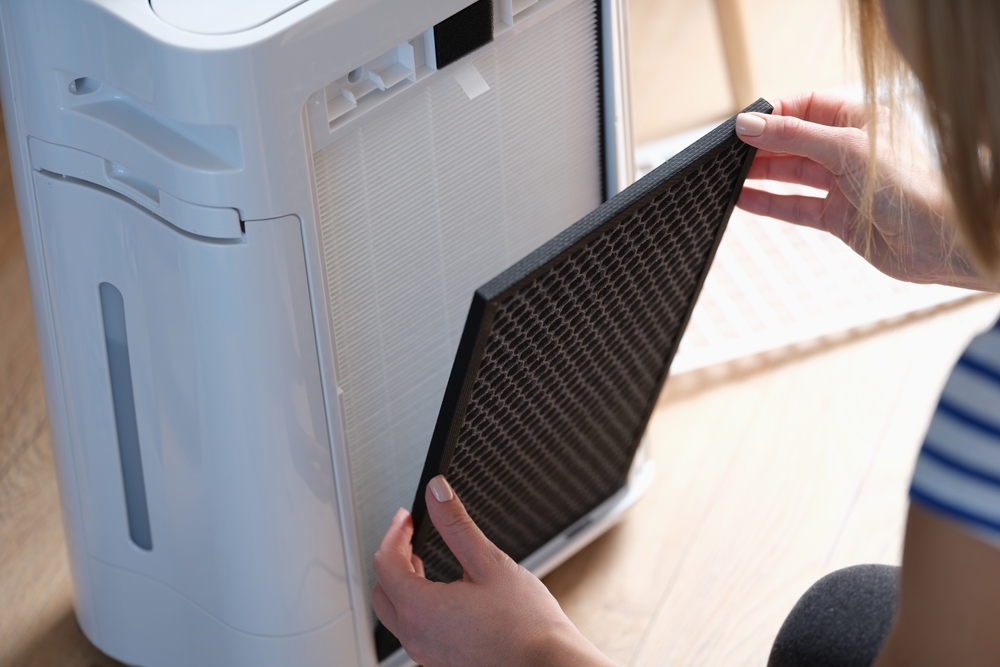
Heating and cooling system filters and portable air cleaners may help reduce some airborne particles, but they cannot remove every irritant.
Filters should match the system and be replaced according to the manufacturer’s instructions. Portable air cleaners should also be selected for the size of the room where they will be used.
Products that promise to treat or cure respiratory conditions should be viewed with caution. Questions about filtration should be discussed with a qualified professional.
Give Respiratory Equipment a Clean, Clear Space
Respiratory equipment should be kept in a clean, dry area where vents, tubing, and connections are not blocked by dust, fabric, or clutter.
Each device should be cleaned and maintained according to its instructions. Household fragrances, cleaning solutions, filters, or accessories should not be placed inside respiratory equipment unless they are approved for that device.
Wave Healthcare helps pediatric families understand equipment care, organize supplies, and build routines that support respiratory care at home.
Sail Healthcare helps adult patients and caregivers feel more confident with equipment, supplies, and daily respiratory routines.
Know When to Ask for More Support
Changes in the home environment may affect breathing, but not every new symptom is caused by dust, pollen, pets, or another household trigger.
Families, patients, and caregivers should continue following the prescribed care plan and contact the appropriate clinician when symptoms are new, worsening, affecting sleep, limiting activity, or different from the usual pattern.
Wave and Sail can help with equipment questions, supply needs, and education. Questions about symptoms, medications, or treatment changes should be directed to the clinical care team.
Create a Home That Supports Respiratory Care
Better indoor air quality begins with practical steps that fit the household. Reducing smoke, managing dust and moisture, using ventilation thoughtfully, and keeping equipment areas clean can all support a more comfortable care environment.
Wave Healthcare supports children and families with pediatric respiratory equipment, caregiver education, and continued guidance at home. Sail Healthcare supports adult respiratory patients and caregivers with clear education, dependable follow through, and respect for each person’s daily routine.
Contact Wave or Sail for help with respiratory equipment education, supplies, and care routines at home.