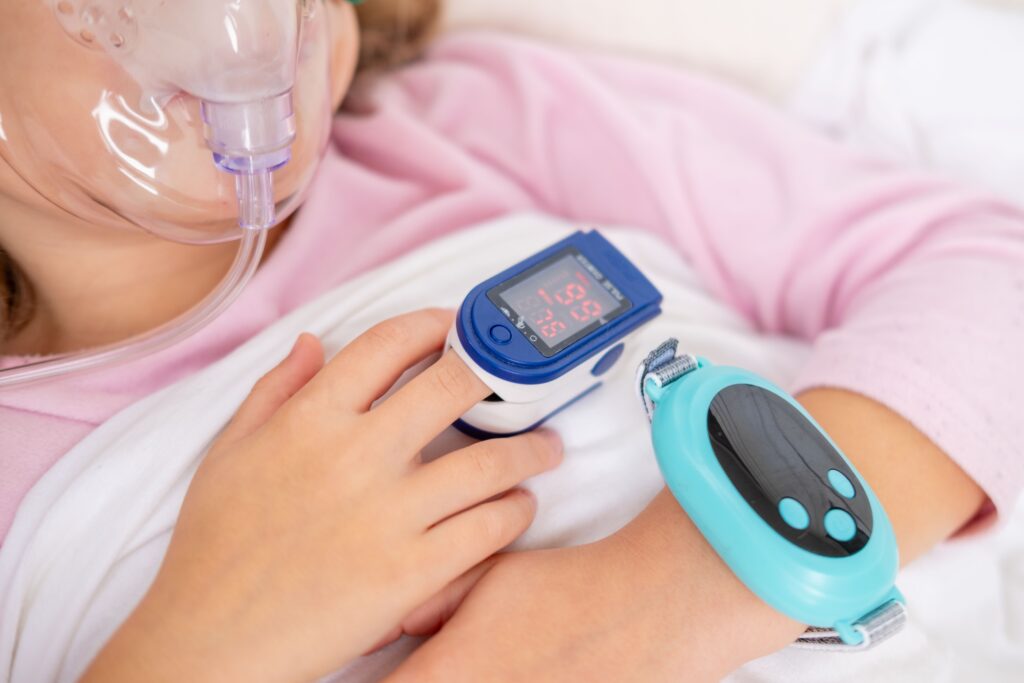
For many children with complex respiratory conditions, ventilators are more than machines; they’re lifelines. These devices provide the breathing support necessary for growth, stability, and recovery outside the hospital.
For case managers and clinicians, ensuring a smooth transition home with ventilator support requires more than just equipment delivery. It takes a partner who understands hospital protocols, can educate caregivers, and offers ongoing backup so you can focus on what you do best coordinating care.
What Pediatric Ventilators Do
Pediatric ventilators are designed to help children who can’t breathe effectively on their own. They can:
- Deliver oxygen and pressure to support underdeveloped or weakened lungs.
- Provide full or partial breathing assistance, depending on a child’s condition.
- Adapt settings as children grow and their respiratory needs change.
By bridging the gap between critical hospital care and daily life at home, ventilators give children a chance to thrive outside the NICU or PICU.
Types of Ventilation for Children
Children may need different types of ventilator support depending on their respiratory needs. Wave provides a range of pediatric home ventilators that support both invasive and non-invasive care, helping families continue treatment safely outside the hospital.
Wave supports trusted home ventilators including the Trilogy Series, LTV Ventilator, Vivo 45/65, and Astral Vent, options designed for flexibility, mobility, and long-term home use.
Some children require invasive ventilation through a tracheostomy for ongoing support. Others benefit from non-invasive ventilation, delivered through a mask or nasal interface, often during sleep or specific parts of the day.
Wave respiratory therapists work alongside care teams and families to ensure each setup is safe, comfortable, and well-supported at home.
Adjusting to Life at Home With a Ventilator
Bringing a ventilator home can feel overwhelming at first, but with education and practice. Key steps that make the adjustment easier include:
- Hands-on training from respiratory therapists to ensure equipment setup, cleaning, and troubleshooting are second nature.
- Routine checks to keep ventilators functioning safely and reliably.
- Emergency planning so families feel ready if alarms sound or unexpected issues arise.
With support, children using ventilators can still attend school, play with siblings, and be part of family routines.
How Wave Healthcare Supports
At Wave Healthcare, we specialize in pediatric respiratory care that extends hospital-level expertise into the home. Our role is to help case managers and clinicians by:
- Streamlining paperwork and authorizations to reduce discharge delays.
- Aligning with hospital protocols so transitions feel seamless.
- Educating caregivers through hands-on training and ongoing support.
- Providing 24/7 availability, ensuring backup for both families and care teams.
Families benefit from the education and confidence our team provides but our priority is also to make your job as a case manager or clinician less overwhelming. Together, we ensure safe, connected care that moves children forward.