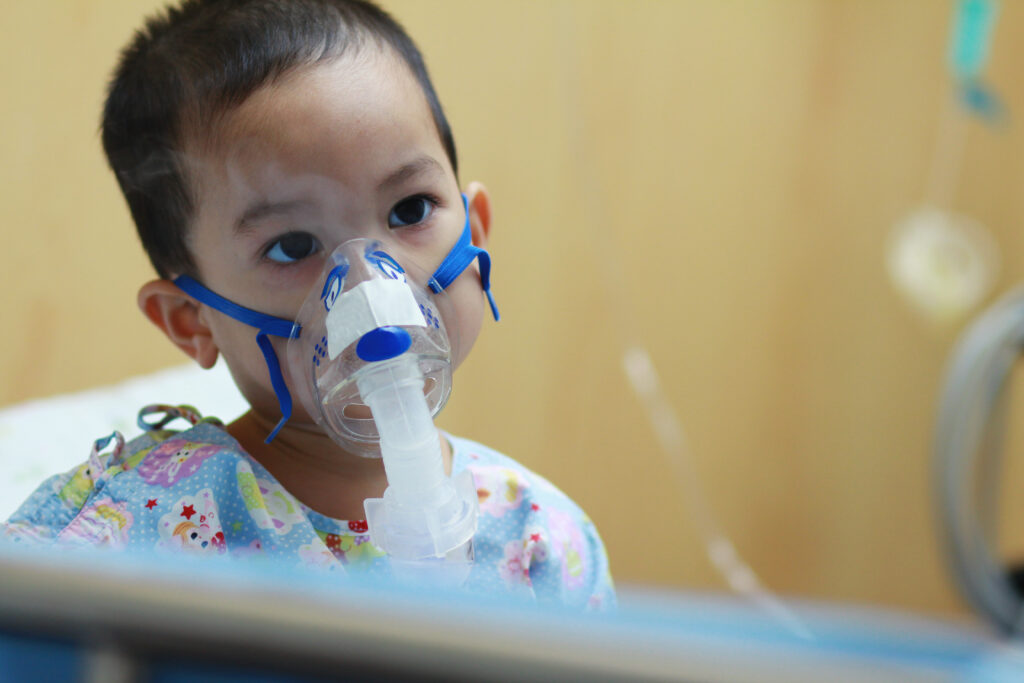
A hospital discharge plan is usually built with care and collaboration. Physicians, respiratory therapists, case managers, and families all play a role in preparing for the transition home. Even with that thoughtful planning, respiratory needs can change near the end of a hospital stay, especially for pediatric patients whose conditions can shift as they stabilize and respond to treatment.
When that happens, it can feel like the plan is suddenly moving. The good news is that you do not have to start over. With clear communication and the right support, these updates can be worked into the plan in a way that still feels steady and manageable for everyone involved.
Start with What Changed
Respiratory changes before discharge can look different for every child. It might mean an adjustment to oxygen levels, adding a new piece of equipment, or introducing additional support like suction or nebulizer treatments.
These changes are not setbacks. They are part of making sure your child’s care at home truly matches what they need now, not what was expected earlier in the hospital stay.
Taking a moment to clearly understand what changed and why helps everyone move forward with more confidence.
Bring Everyone Back Together
When plans shift, reconnecting the care team quickly makes a big difference. This includes physicians, respiratory therapists, nursing staff, case managers, and your home care provider.
The goal is simple, everyone should be on the same page about:
- What has changed in your child’s respiratory needs
- What equipment and supplies are now needed
- What teaching and practice time your family will need
- What the updated discharge timeline looks like
Keeping communication open helps avoid last minute confusion and makes the transition feel more coordinated.
Make Sure the Equipment Fits Your Real Life
Changes in respiratory needs often mean changes in equipment. Beyond having the right device, it is important that everything is set up in a way that works for your home and your routines.
For pediatric care, that might mean thinking through sleep schedules, feeding times, mobility, and who will be helping with care throughout the day.
The goal is not just for the equipment to work, but for it to fit into your daily life in a way that feels doable.
Take Time to Learn and Practice
When changes happen close to discharge, it can feel like there is a lot to learn in a short amount of time. Even so, education should never feel rushed.
You deserve time to understand how the equipment works, what is normal, and what might need attention. Hands-on teaching, clear explanations, and the chance to ask questions more than once all matter.
If multiple caregivers are involved, it helps everyone to feel comfortable before going home. Confidence builds with practice, and that process is important.
Talk Through What Life at Home Will Look Like
A change in respiratory support can shift daily routines. Taking time to talk through what home life will look like can make things feel more predictable.
This might include:
- How treatments fit into morning and evening routines
- What follow-up care may look like
- When and how to reach out with questions
- How to balance medical care with everyday family life
Having a clearer picture of what to expect can ease some of the uncertainty that comes with last-minute changes.
Remember That Support Continues at Home
Going home does not mean you are on your own. In many ways, it is the start of a new phase where support continues as you settle into routines.
When respiratory needs change close to discharge, having ongoing guidance matters even more. It is normal to have questions once you are in your own space and putting everything into practice.
Support after discharge can include:
- Reinforcing what you learned in the hospital
- Helping troubleshoot equipment or routines
- Being available when questions come up
- Staying connected with your clinical team as needs evolve
Knowing that support is still there can make a meaningful difference in how confident you feel.
When the Discharge Plan Shifts
Changes in respiratory needs before discharge can feel unexpected, but they often mean your child’s care plan is being adjusted to better support what they need right now. With clear communication, thoughtful preparation, and continued support, those changes can become part of the transition home without losing a sense of steadiness.
At Wave Healthcare, we help families feel more prepared for pediatric respiratory care at home, especially when needs change close to discharge. From equipment setup to education and ongoing guidance, our team works alongside families, caregivers, and care teams so care can continue with clarity and confidence beyond the hospital.